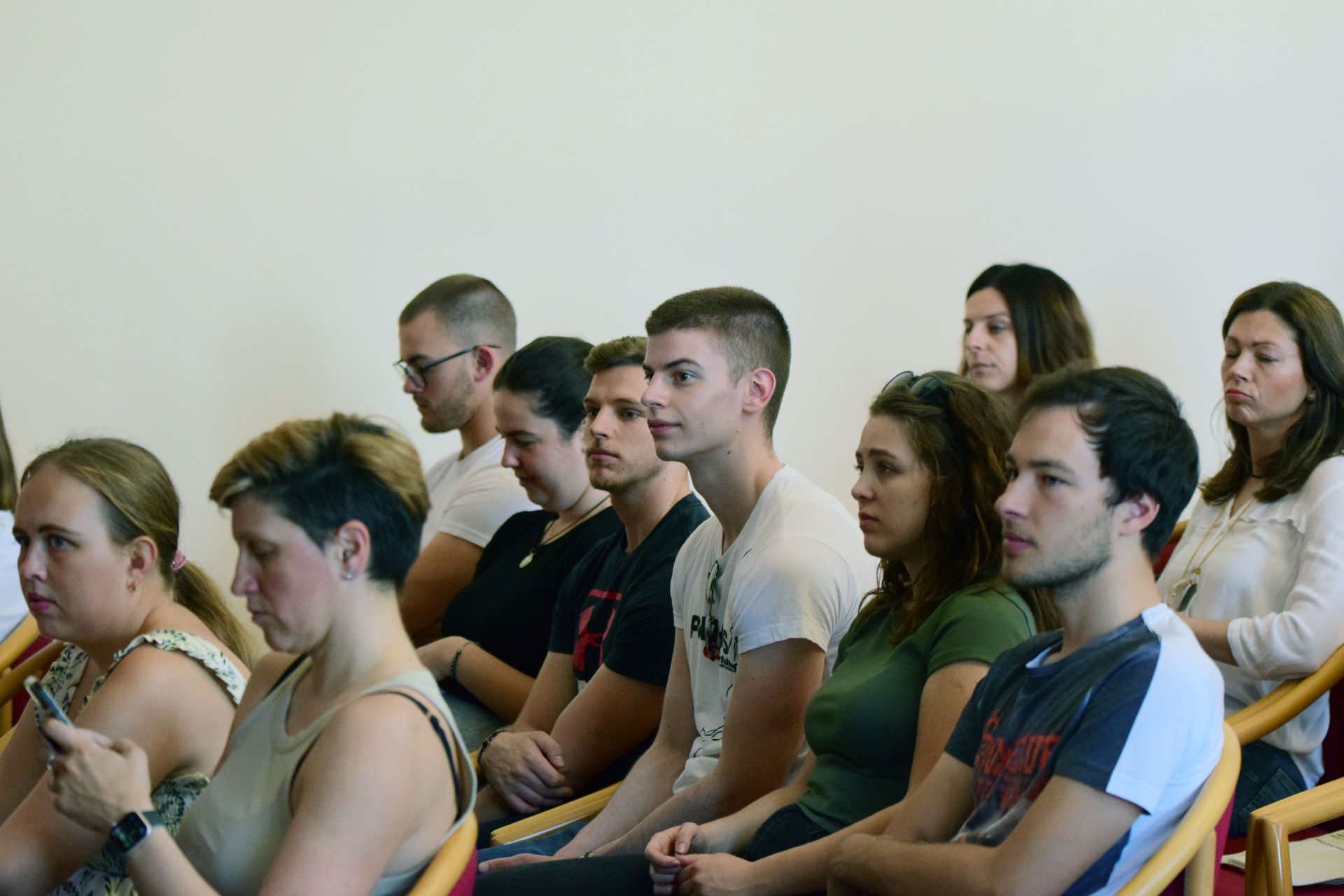
On the 25th of May 2023, workshop and conference “COoperation for the ADVancement of Aquaculture in Norway and Croatia – COADVANCe” was held at the University of Zadar, organized by the University of Zadar and the Arctic University of Norway (UiT). The aim of this workshop is to cover topics related to challenges in the development of sustainable aquaculture. The focus was on reducing the environmental impact of aquaculture, disease prevention and improvement of fish welfare, species diversification (salmon in Croatia), integrated coastal area management.
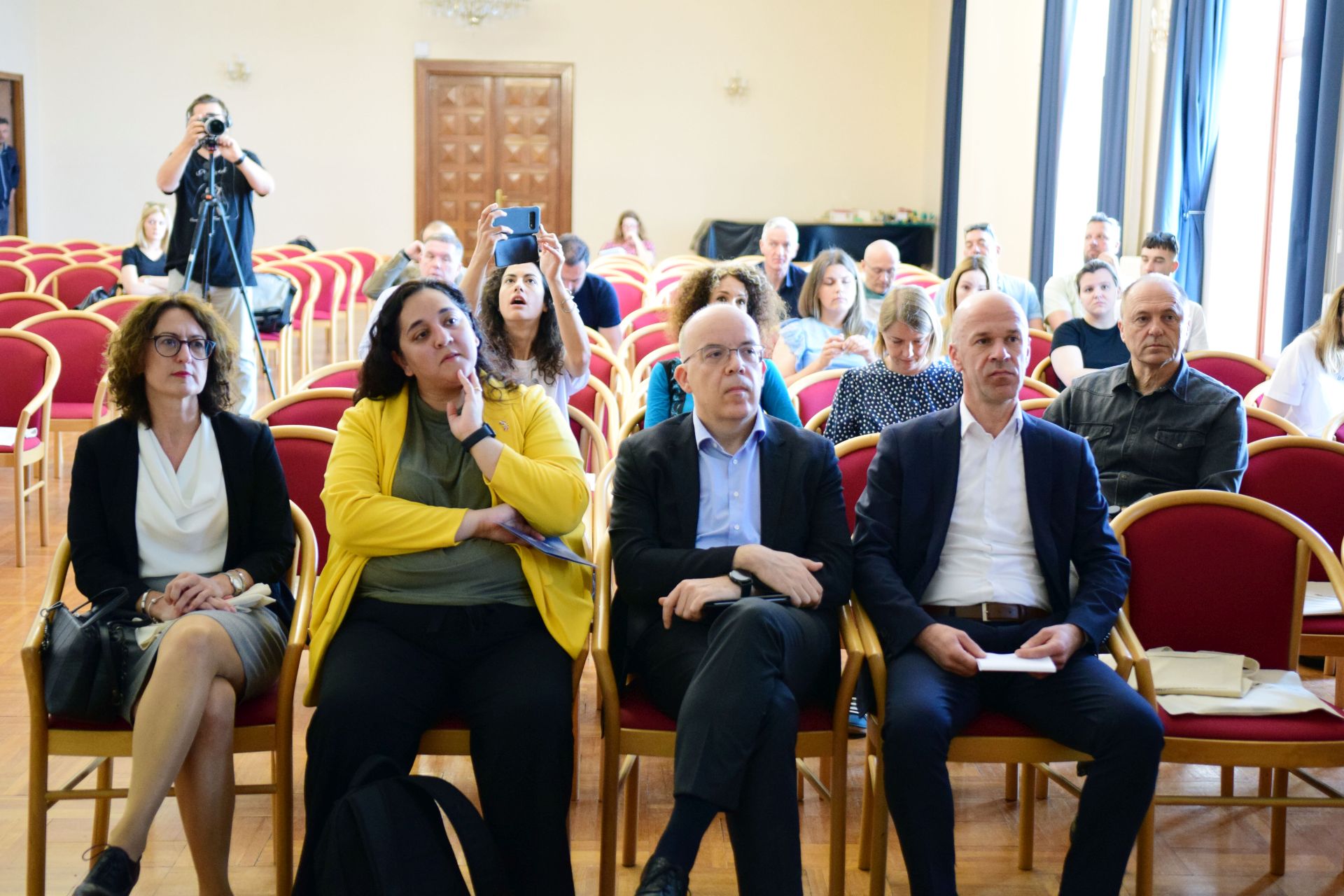
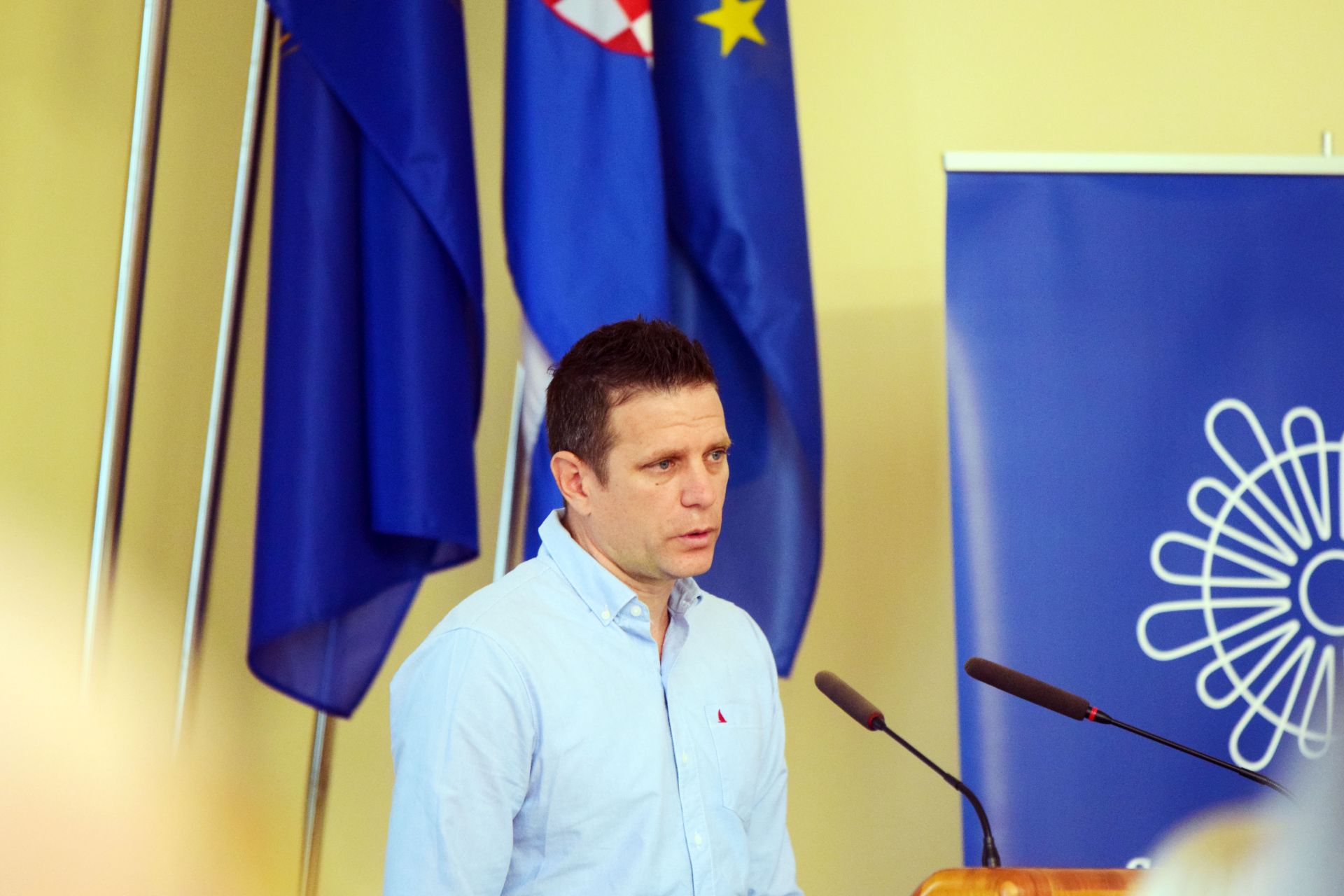
The participants were greeted by the deputy of Ambassador of the Kingdom of Norway, Homma Latif, Vice Rector for Scientific Affairs and Information Infrastructure, prof. Zvjezdan Penezić, PhD and the Head of Administrative Department for Maritime Domain, Sea and Transport, Krešimir Laštro.
Vice Rector Penezić thanked them for coming to Zadar and the opportunity for local stakeholders to hear about the experiences of the most developed country in the field of fishing and fish farming.
– I am sure that the COADVANCe project will create a solid framework for future long-term cooperation between Croatia and Norway in order to achieve the sustainable growth of aquaculture as one of the leading and fastest growing industries in the world. Cooperation with Norway is getting stronger every day, and I hope that such development of cooperation will continue in the coming years, said Penezić.
One of the purposes of the project is to determine how Croatia and Norway can contribute to increasing the capacity of sustainable aquaculture, learning from their common experiences, implementing new innovative and smart technologies and ideas, and improving blue skills in both countries.
– This is the first activity of the project in which experts from Croatia and Norway will exchange experiences and give new ideas for improving aquaculture in Croatia and in general. Norway is the world leader in salmon production, we breed species characteristic of the Mediterranean, but their technology can be applied here to increase production in Croatia. We are ready to learn new technologies and apply them in our aquaculture, said associate professor Ivan Župan PhD from the Department of Ecology, Agronomy and Aquaculture of the University of Zadar.
– Some mistakes that were made in the beginning are now avoided and it is produced in a sustainable way. In aquaculture, we have a lot of “smart technology”, whether it’s about monitoring the health of marine products, the state of the environment, automation, more efficient production and responsible use of resources. Zadar County produces over 70 percent of fish in Croatia, many people are involved in that industry even outside of production, which means we have to keep it, said professor Župan.
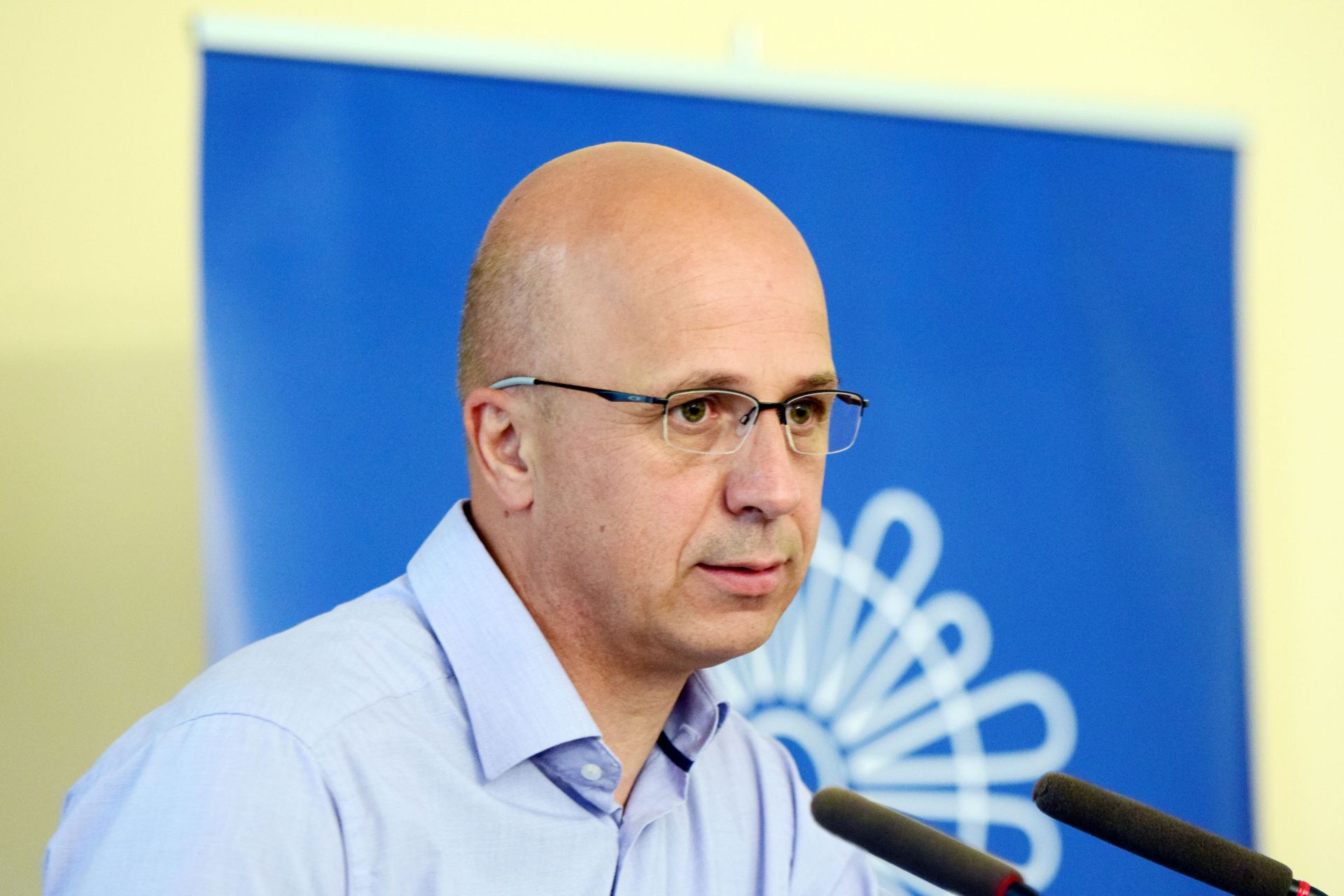
Professor Bjørn-Steinar Sæther presented his experiences with Atlantic salmon farming in Norway and revealed the reasons why it is an example of success at the world level. This species was not chosen by chance, but because of its large eggs, easy production of fry and initial feeding of young individuals, it was estimated that the utilization would be the highest. Simple farming is significant due to low costs in the early life of the fish, and pollution is controlled by mechanical and biological filters and other procedures developed over the years of farming. Of course, the currents and the heat (coldness) of the sea in the Norwegian fjords also favoured them.
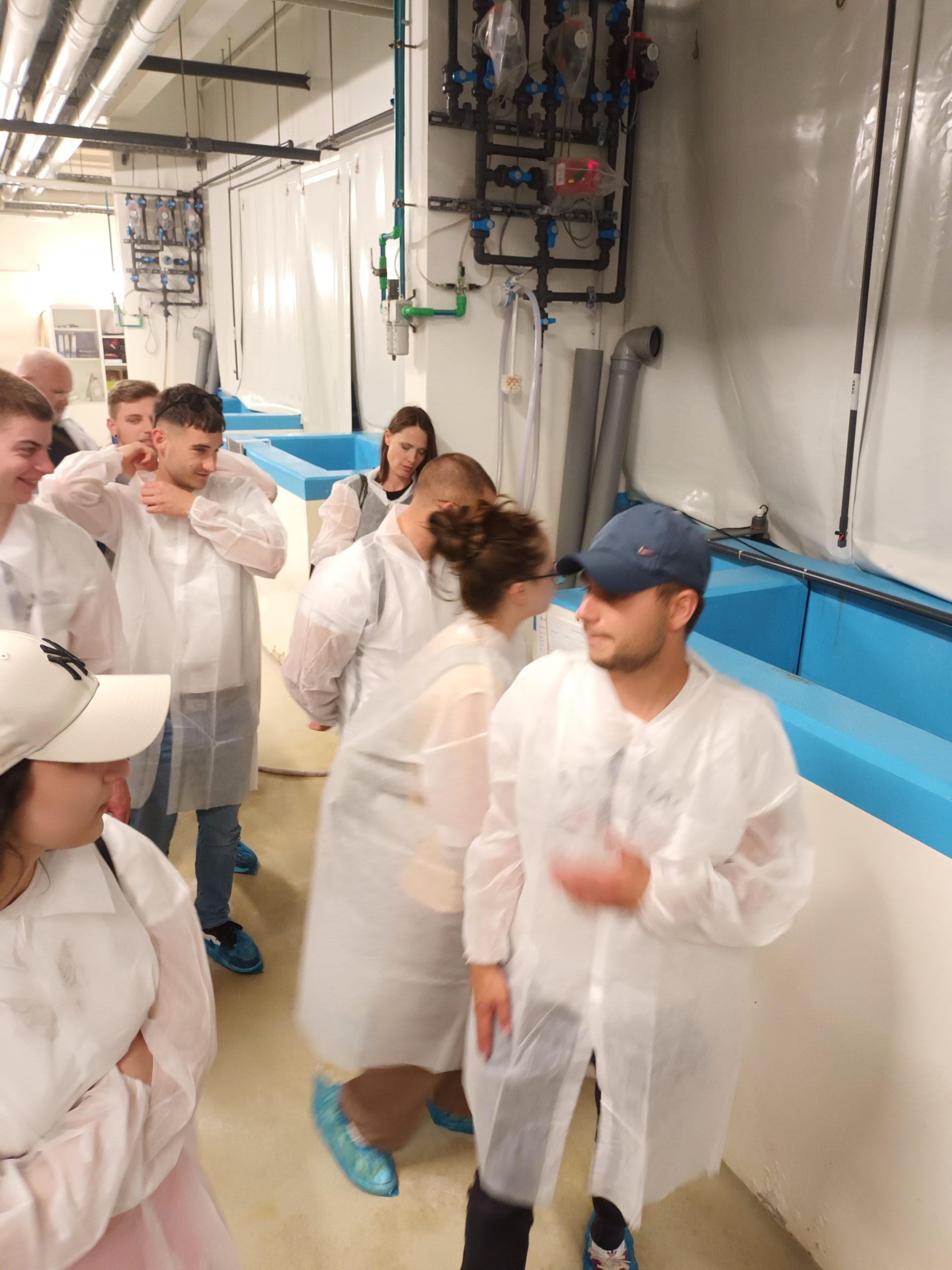
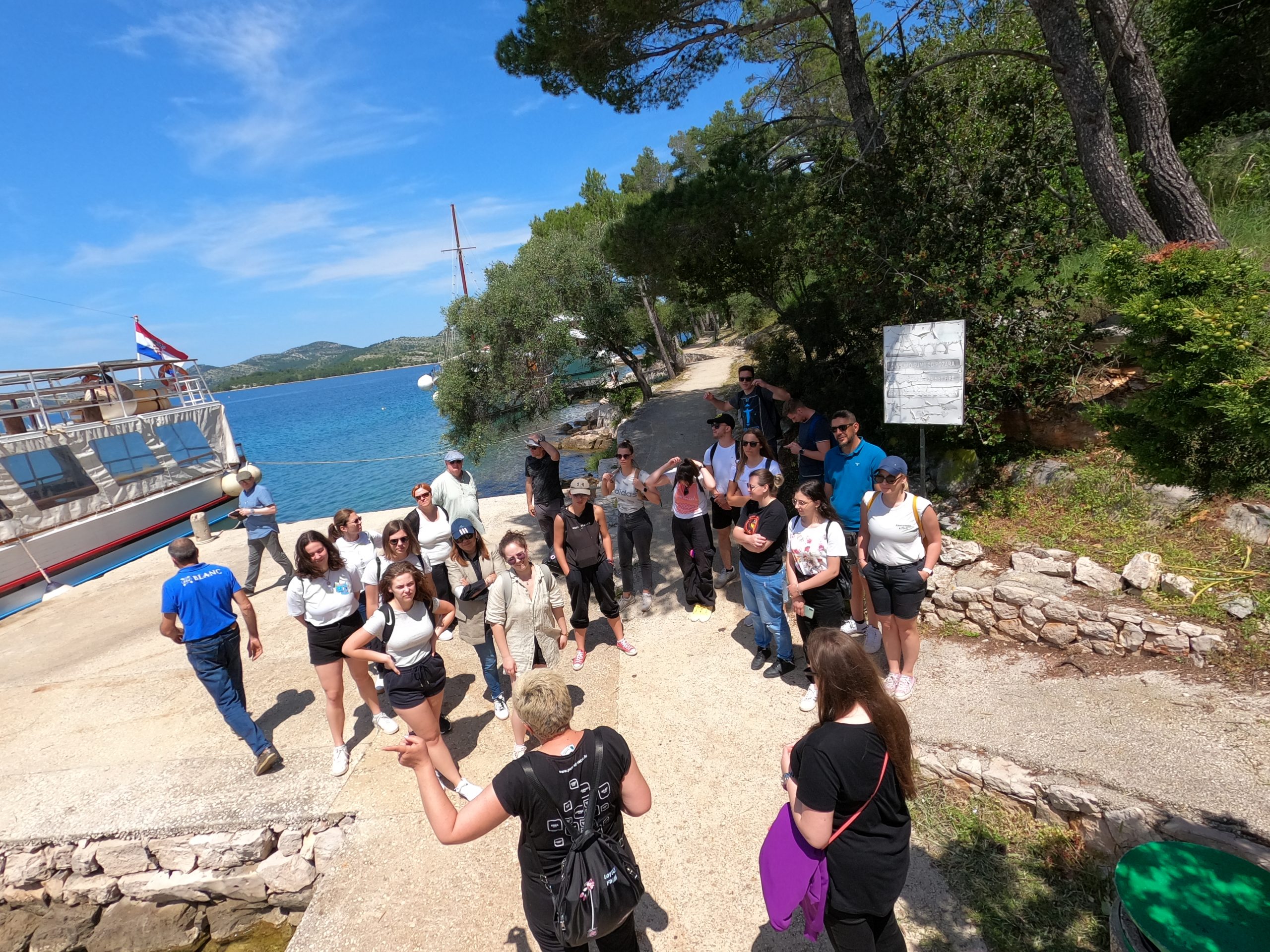
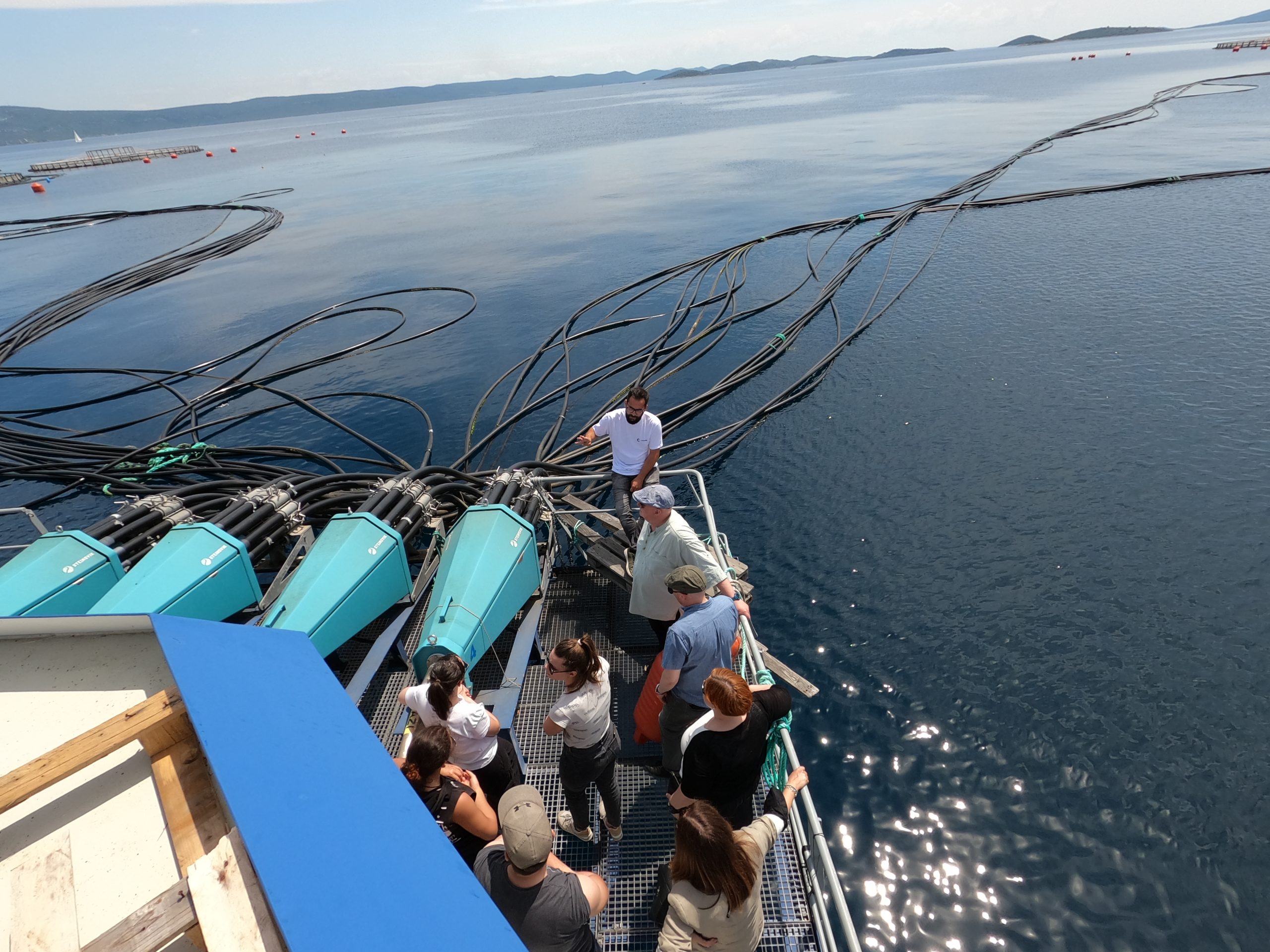
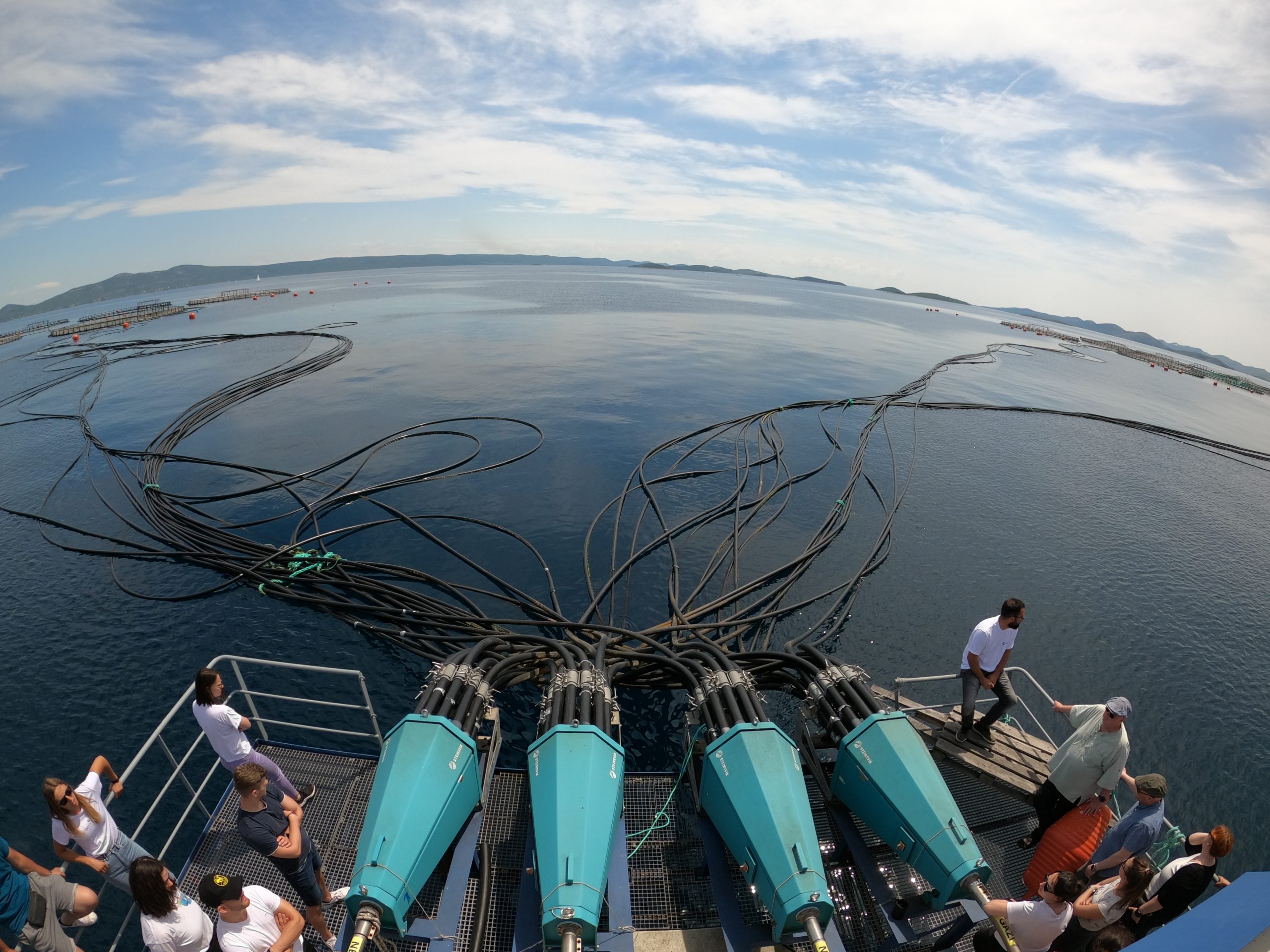
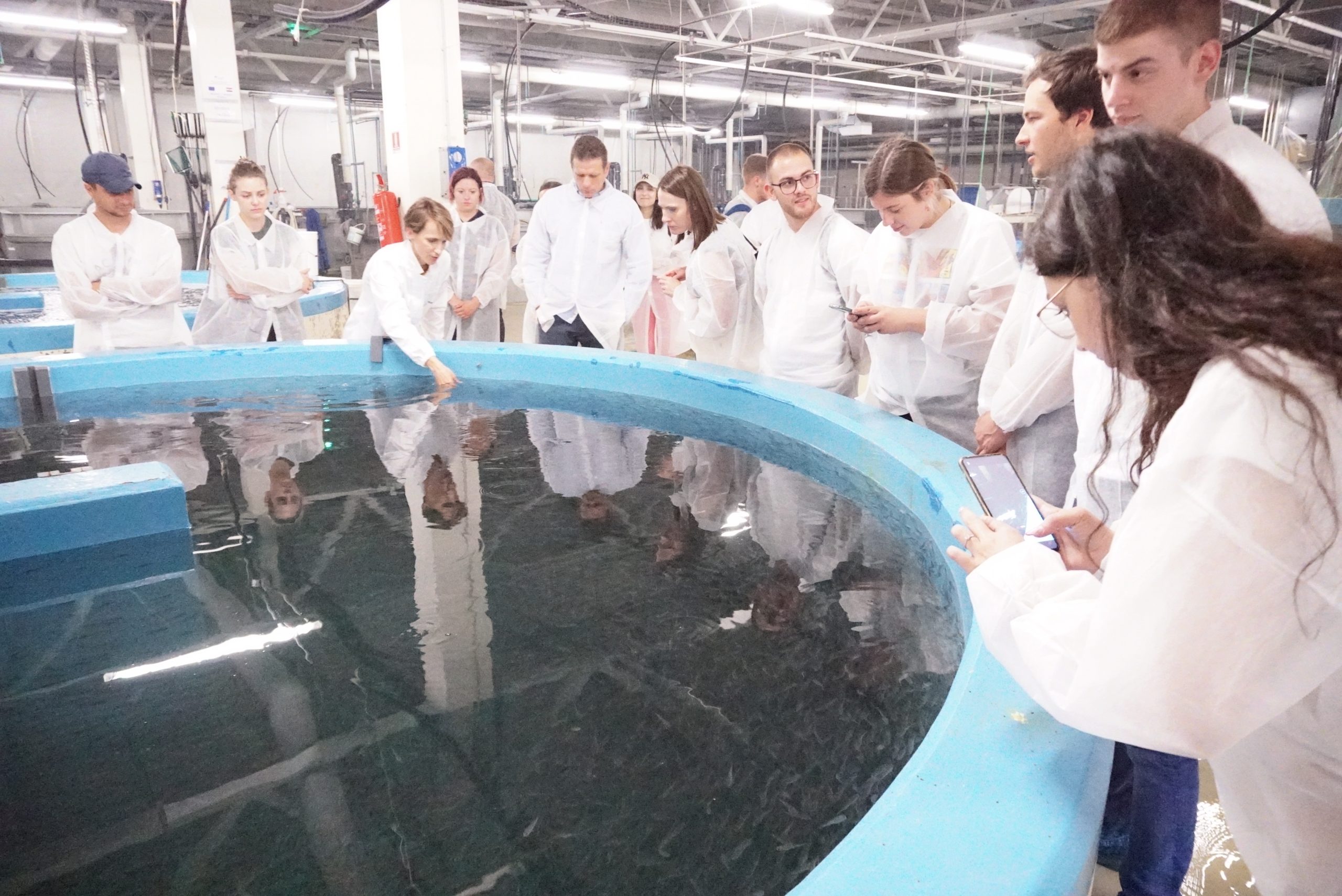
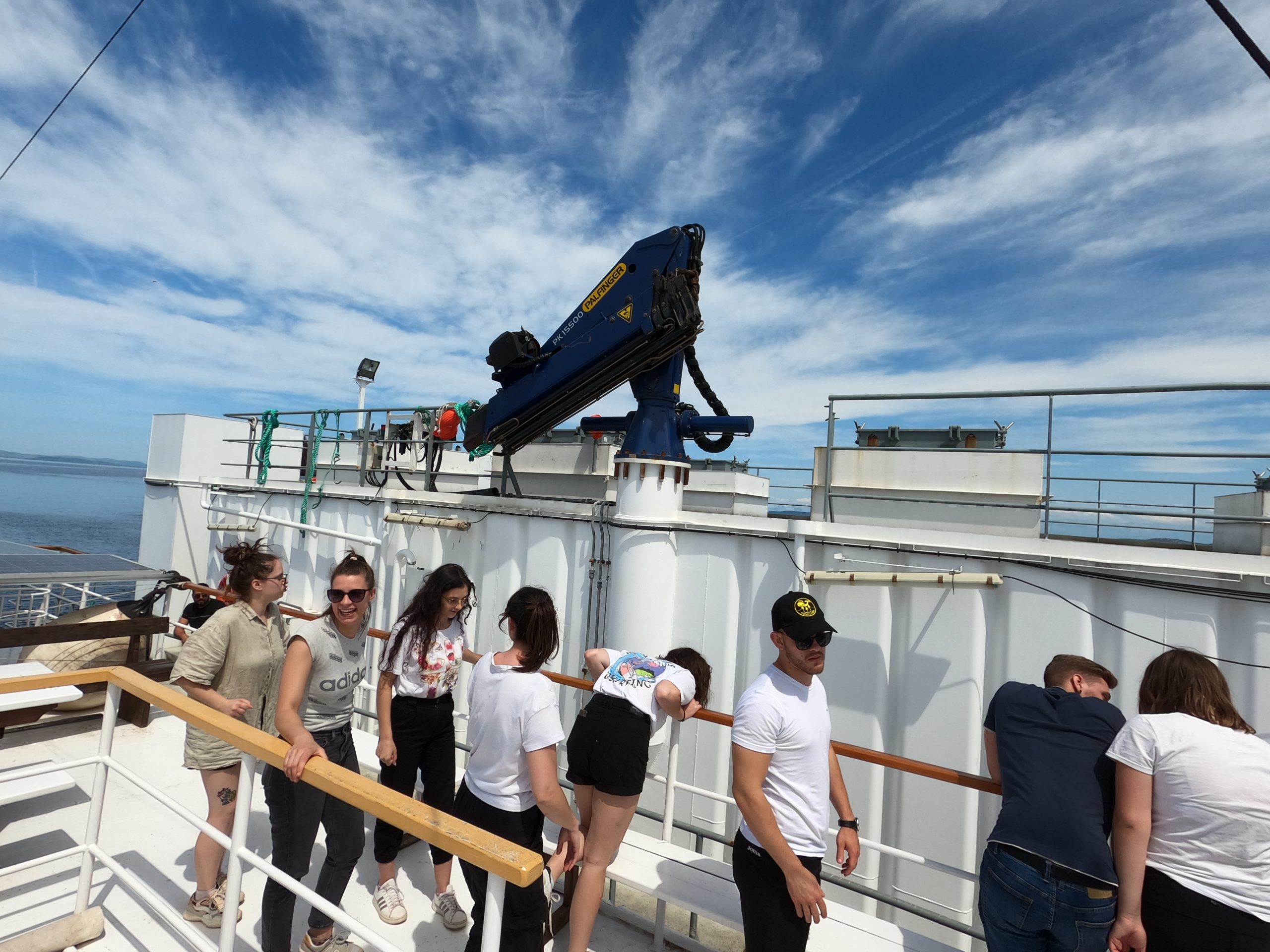
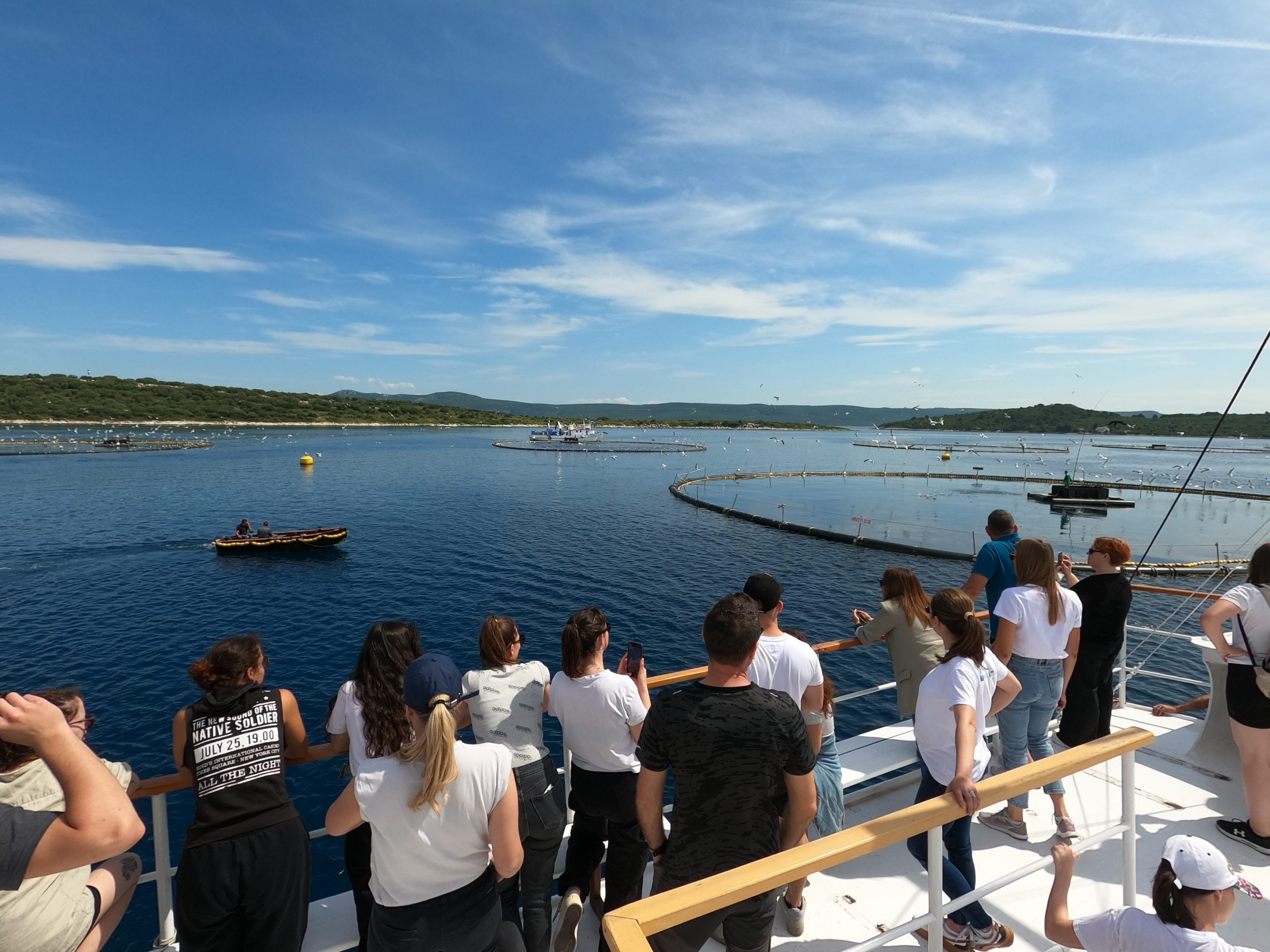
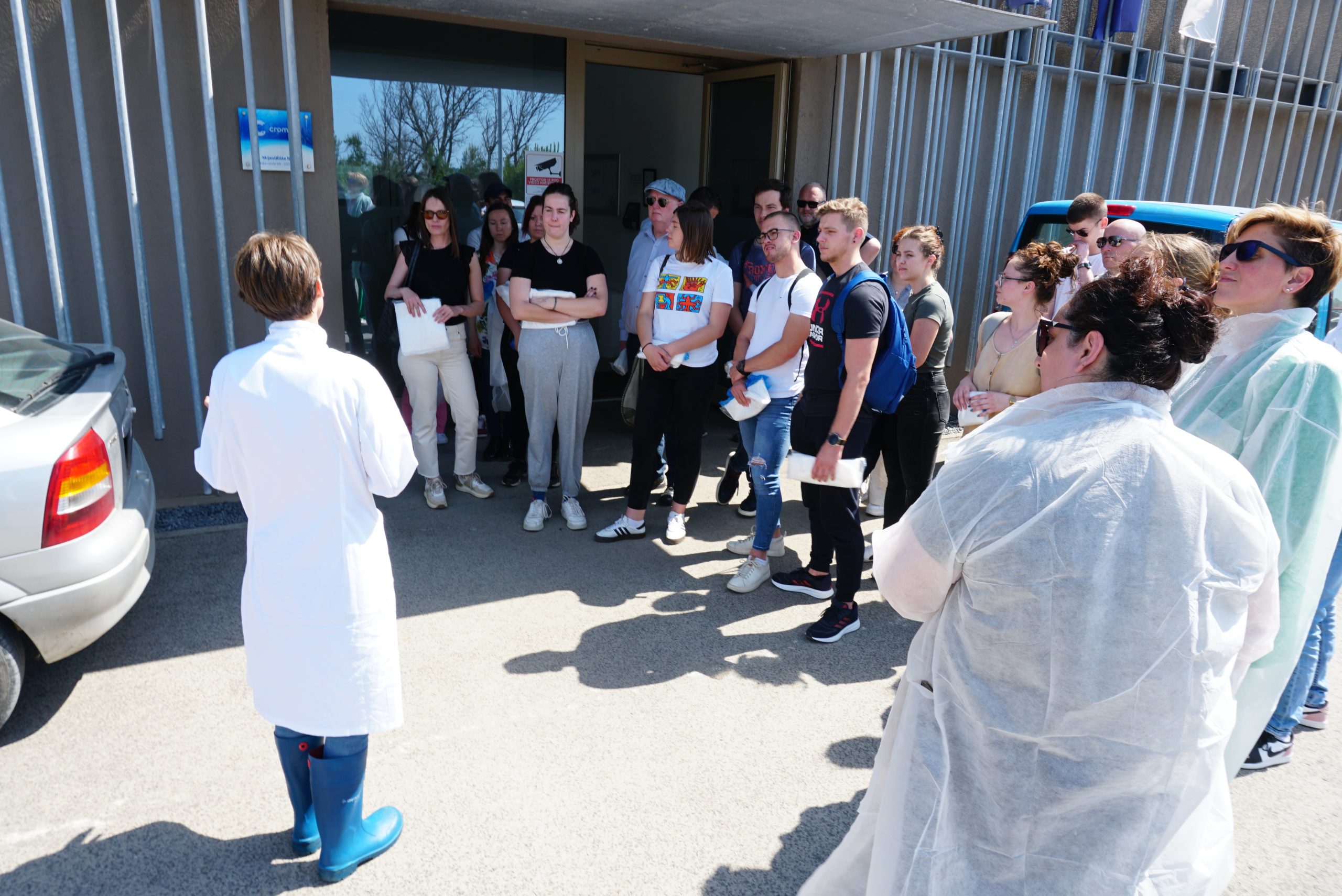
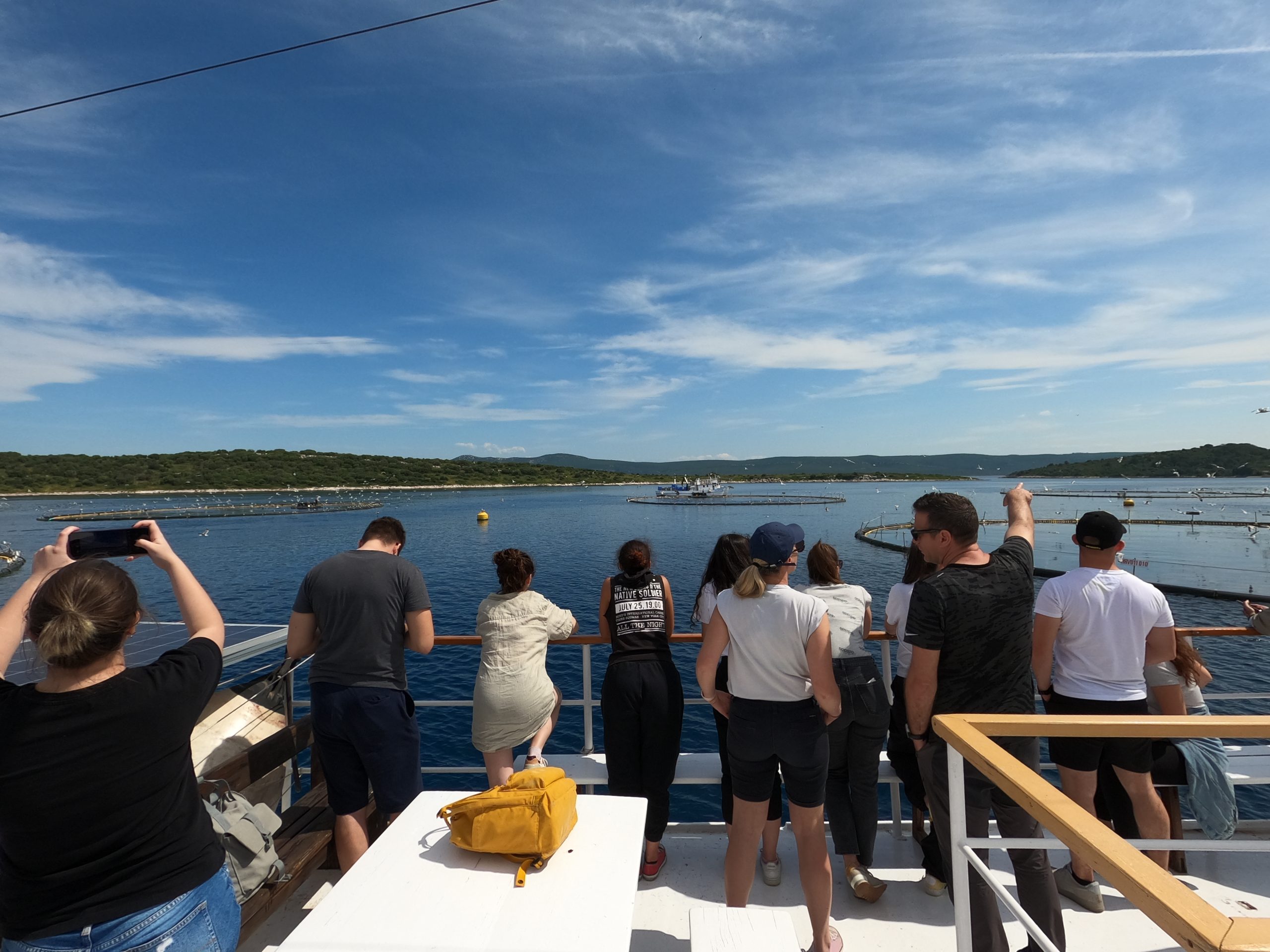
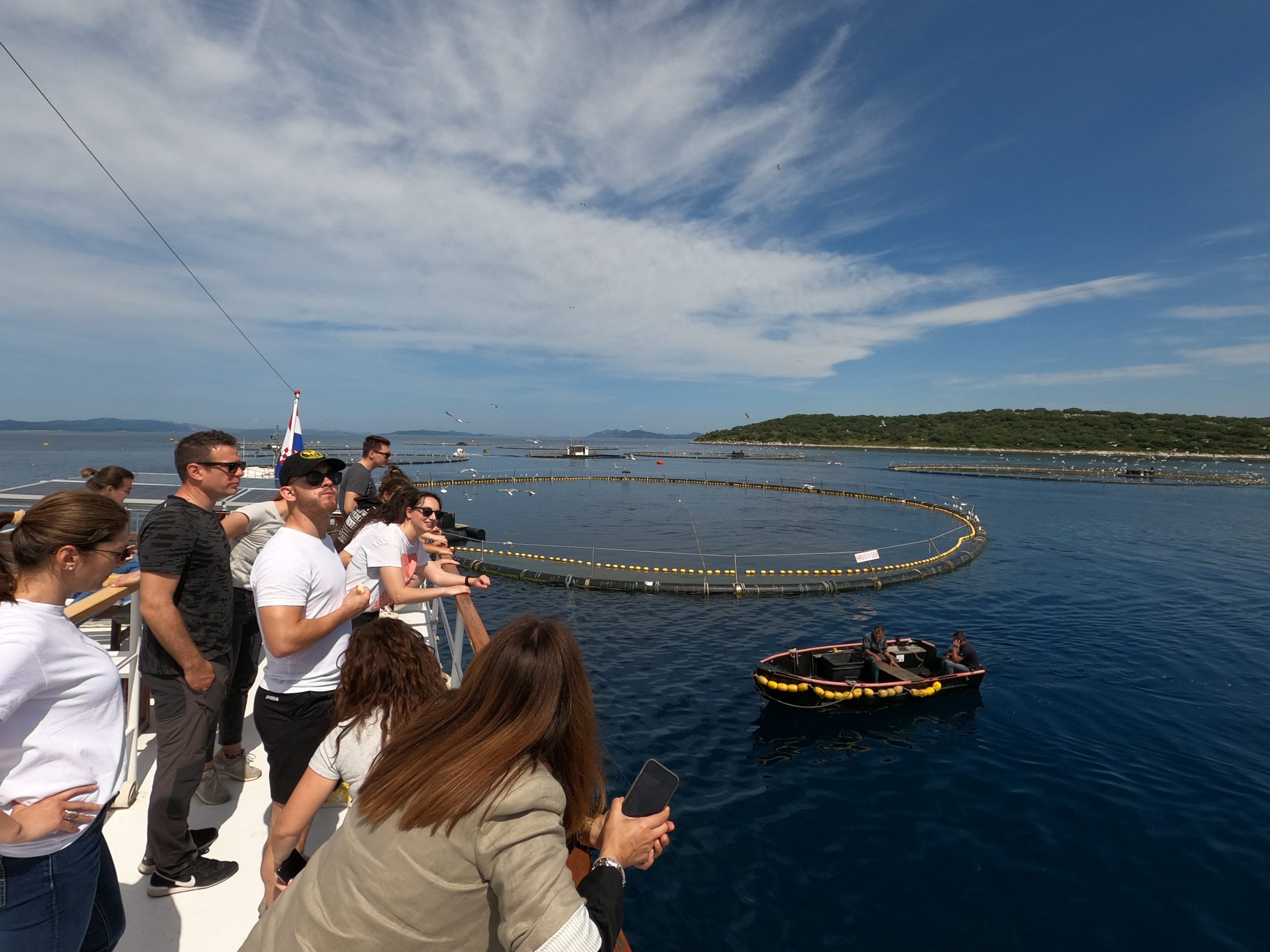
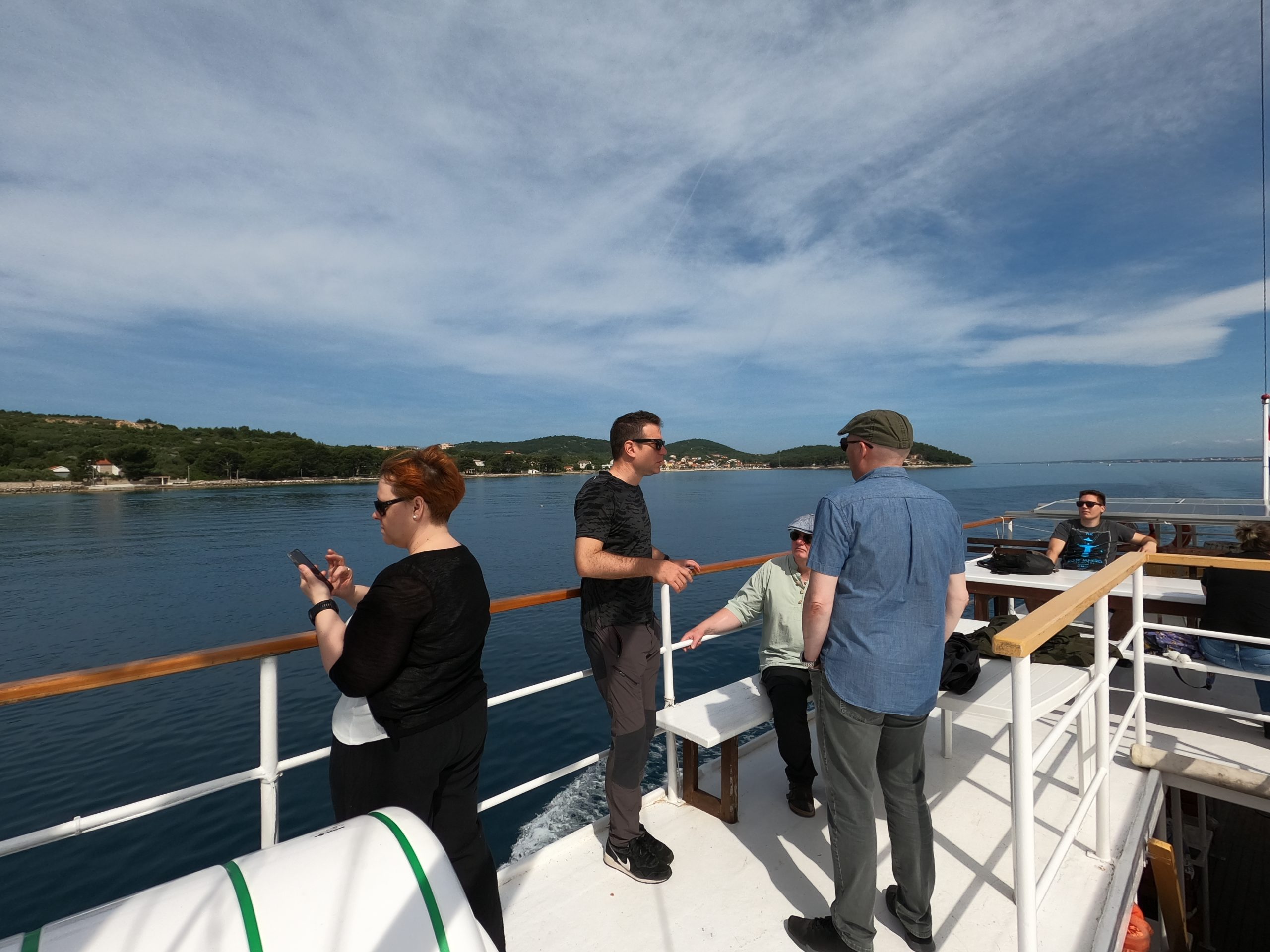
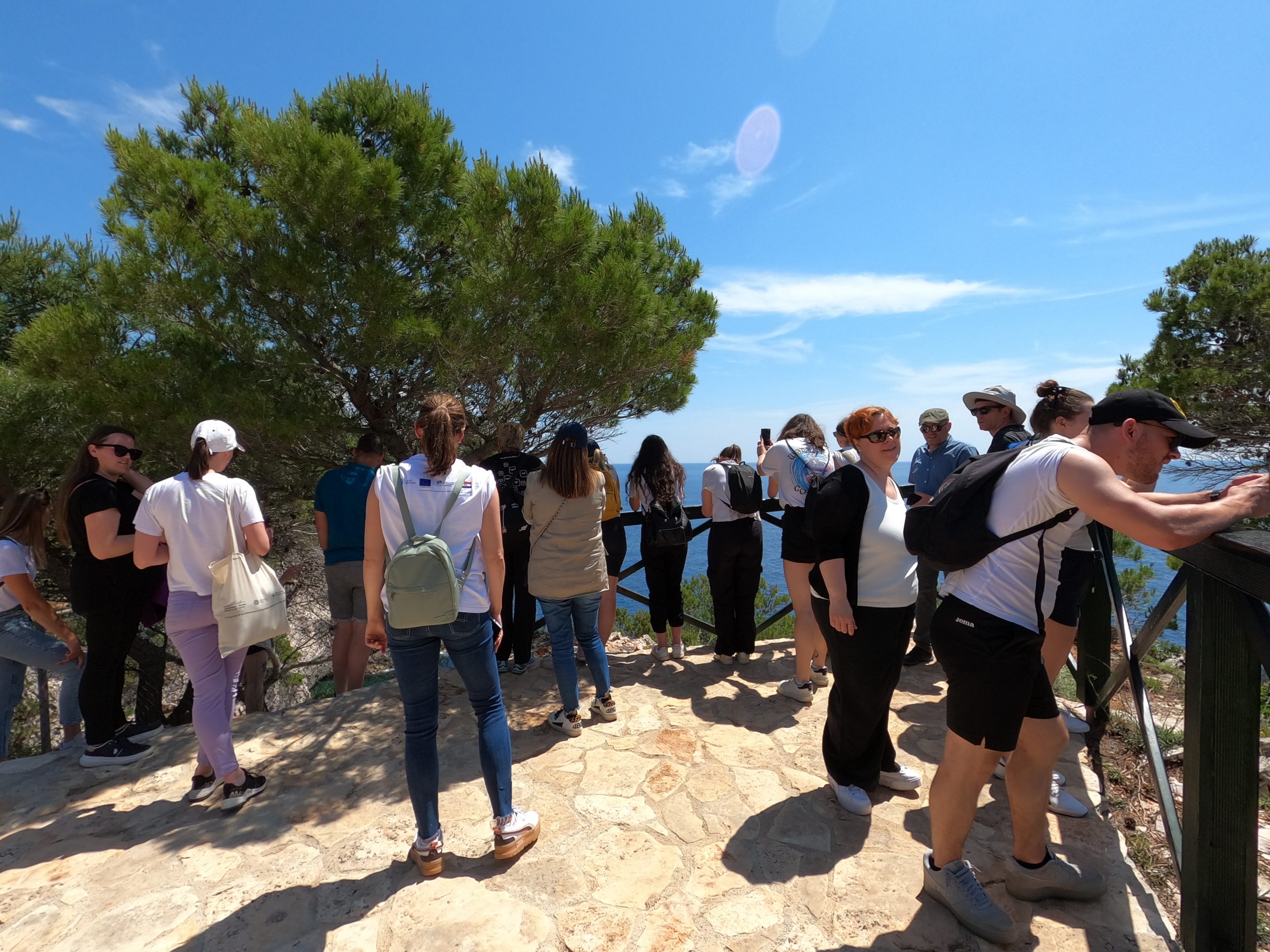
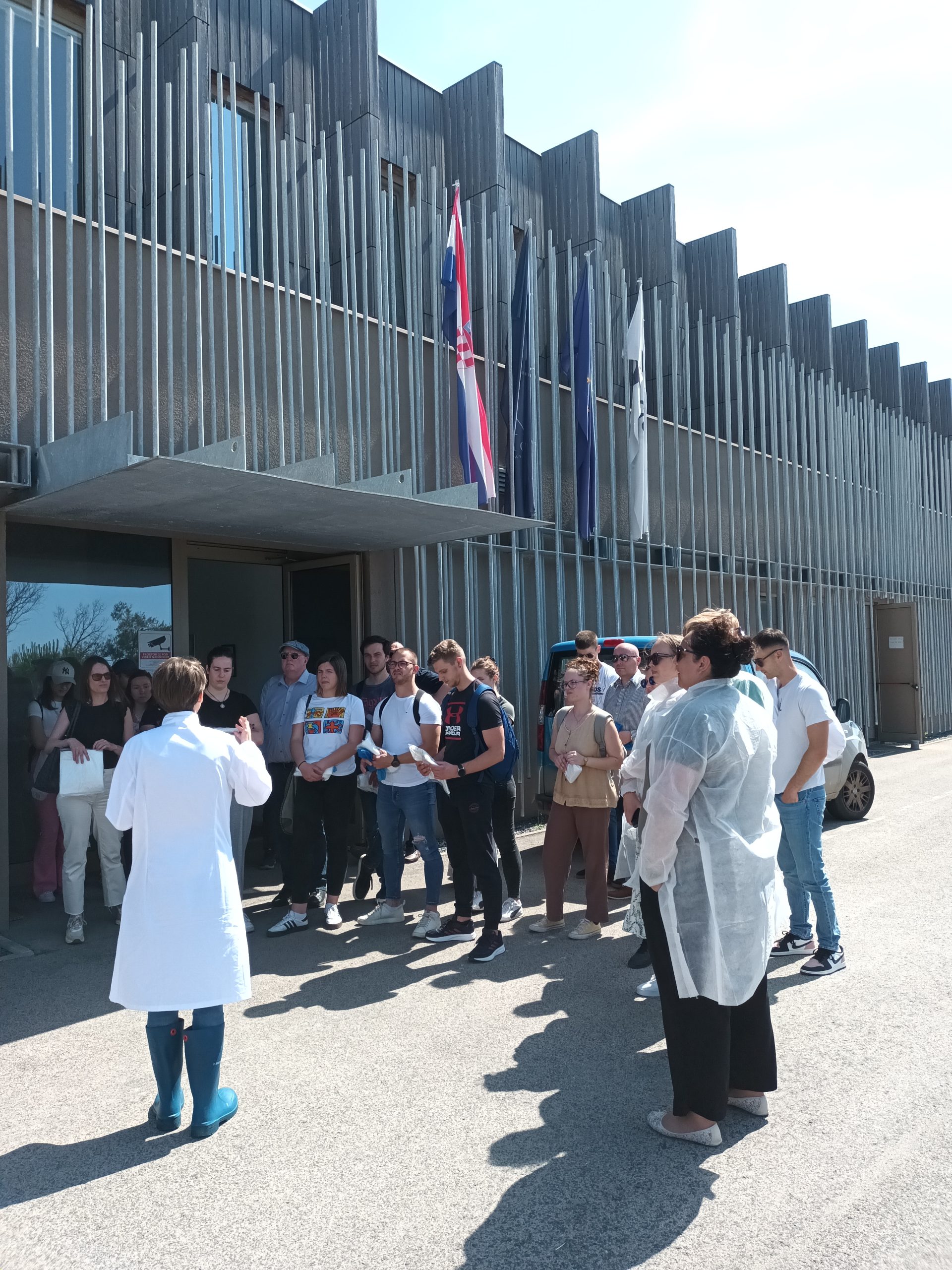
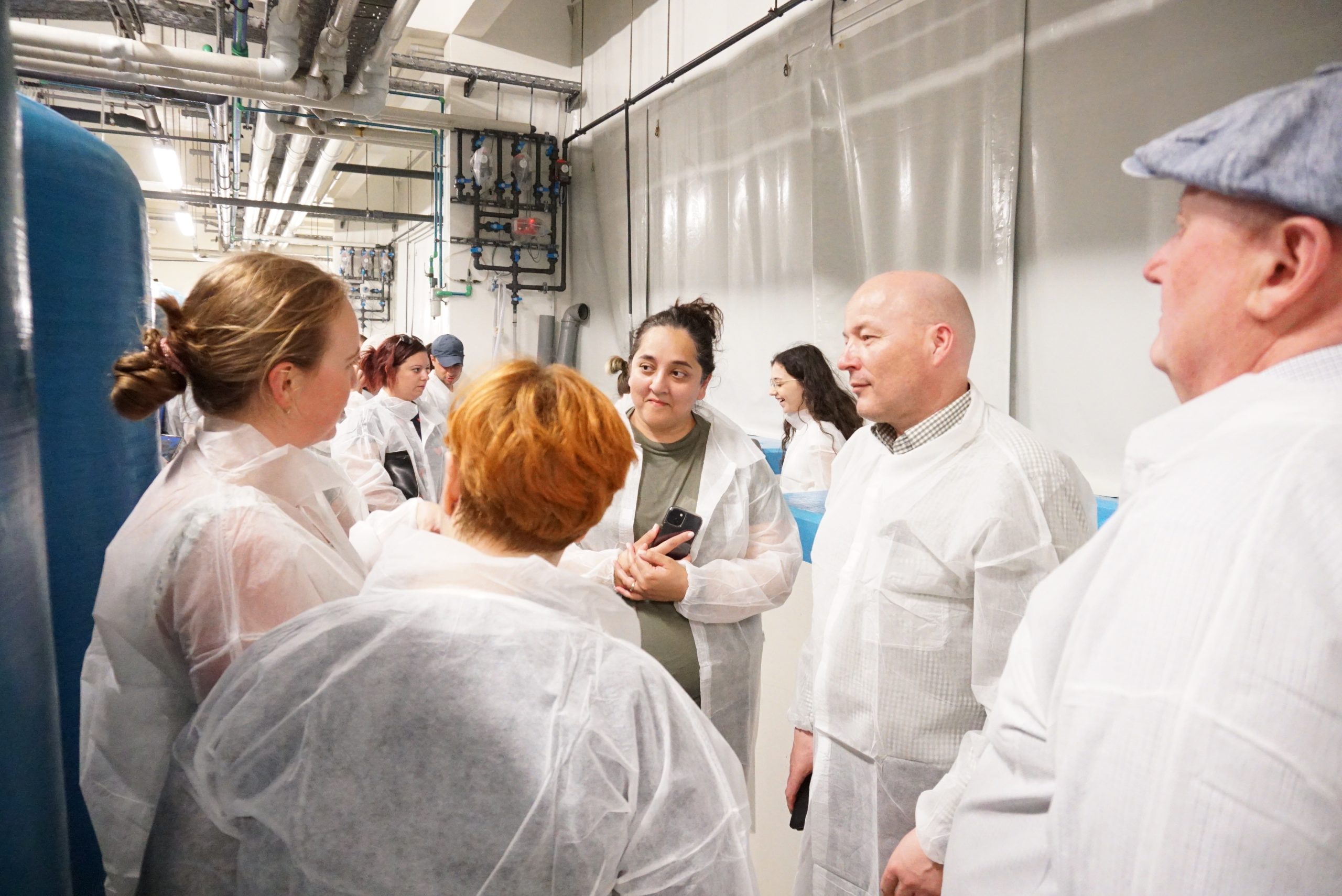
The presentation was followed by numerous questions, and the afternoon program included a visit to the Cromaris hatchery in Nin. During the second day, the participants had field trip and technical tour. They visited tuna farm, sea bass and sea bream farm and also Nature Park Telašćica.